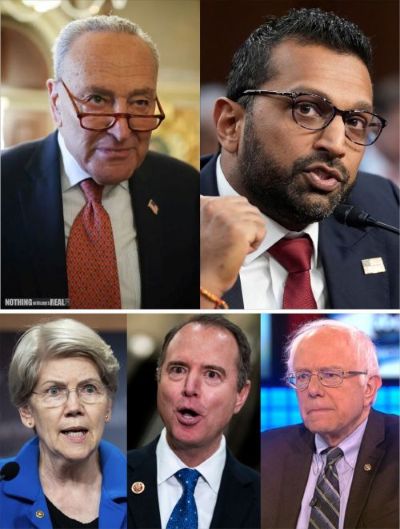
In the fast-paced world of politics, where power struggles often unfold behind closed doors, it is rare for a moment of sheer confrontation to be laid out so openly for the public to witness. But that’s exactly what happened when Senate Majority Leader Chuck Schumer took the floor and made an explosive demand to FBI Director Kash Patel.
“I need you to call off the dogs,” Schumer told Patel, his words dripping with urgency and frustration. He wasn’t speaking of metaphorical dogs, but rather the “Autopen Task Force” he claimed was relentlessly harassing Democratic senators. His request wasn’t just a plea for mercy but an open challenge to the very heart of the FBI’s ongoing investigations.
“Your Autopen Task Force is a witch hunt,” Schumer continued, with all the gravity of a seasoned politician used to wielding power. “Senators Warren, Schiff, and Sanders deserve a break from the asinine questions you’re throwing their way. Show some respect.”
To the casual observer, this might have appeared to be another political tirade, another moment of a frustrated lawmaker railing against the system. But for those with a deeper understanding of the complex interplay between law enforcement and politics, Schumer’s words carried more weight. This was no ordinary demand—this was a call for a significant shift in the FBI’s priorities, one that could have major implications for both political dynamics and the way law enforcement navigates sensitive investigations.

But as soon as Schumer made his demand, he was met with a response that was not only firm but unexpectedly filled with hard evidence that could change the trajectory of this public exchange—and, perhaps, the political landscape itself.
The FBI’s Response: Kash Patel’s Unyielding Stance
Kash Patel, appointed as the FBI Director with a reputation for unflinching loyalty to the rule of law, was not one to back down. Schumer’s demand for the task force to be called off was met with an immediate counter-response—one that was as meticulous as it was damning.
Patel, unphased by the pressure from Schumer, calmly presented a stack of pages. Each page was filled with logs from the Autopen Task Force’s digital records, showing the unique digital footprints of Senators Elizabeth Warren, Adam Schiff, and Bernie Sanders—three of the most prominent members of the Democratic Party. Each senator had, according to Patel’s evidence, been directing actions from this device.
Patel’s response was simple but profoundly impactful: “The law doesn’t stop being the law because Chuck Schumer says so.”
With those words, Patel made it clear: the FBI was not operating on a whim or political influence. The agency was simply doing its job, following the law, and holding individuals accountable, regardless of their political affiliations. But Schumer’s reaction to the revelation—and the broader implications of this confrontation—were far from over.
What Is It, and Why Does It Matter?
Before diving into the explosive implications of the confrontation between Schumer and Patel, it’s essential to understand what the “Autopen Task Force” is and why it became such a central issue in this political standoff.
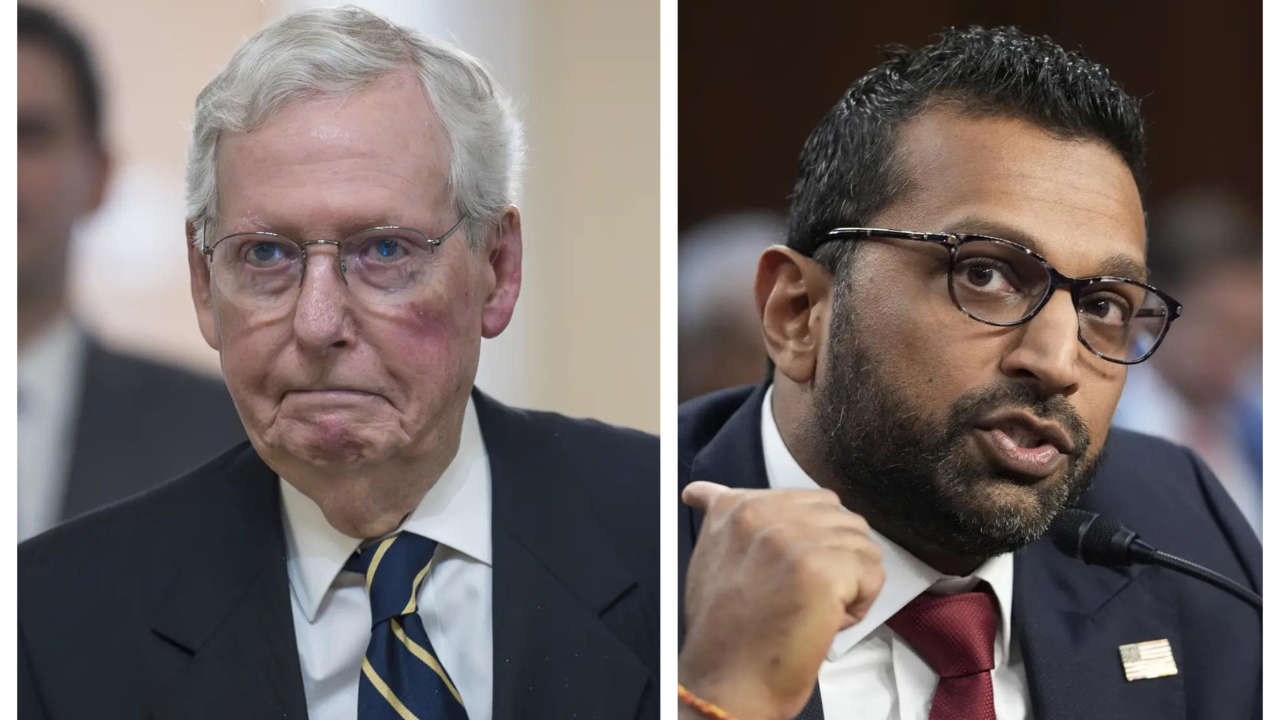
At its core, the Autopen Task Force was an investigation unit within the FBI tasked with uncovering illicit or unethical use of autopen devices—machines that are capable of digitally signing documents, often used for convenience in high-level governmental processes. These devices are supposed to be used under strict regulatory frameworks, and their misuse can be a serious offense.
In this case, the Autopen Task Force was investigating whether any members of Congress were using these machines for unauthorized purposes, such as signing off on documents, votes, or political communications in a way that could compromise the integrity of their offices. The involvement of Senators Warren, Schiff, and Sanders in this investigation was particularly explosive because of their stature within the Senate and the public’s perception of them as leading figures in progressive politics.
This task force was operating under the belief that any misuse of such devices, especially by high-ranking senators, was a serious breach of trust with the American public. For Schumer, however, this investigation appeared as a politically motivated attack, one that could undermine the work of his fellow party members.
A Move to Protect the Party
It’s clear that Schumer’s frustration with Patel and the Autopen Task Force wasn’t just about protecting a few senators. The Senate Majority Leader’s demand was deeply tied to the broader political environment. In the midst of a contentious period in U.S. politics, Schumer understood that an investigation into high-profile Democrats could not only harm the reputation of the individuals involved but also have a damaging ripple effect across the party as a whole.
Schumer, a veteran politician with decades of experience, knew that public perception was crucial. The accusation of misconduct involving high-ranking Democrats, especially figures like Warren, Schiff, and Sanders, could weaken the party’s standing in the eyes of the electorate. Schumer’s call for Patel to “call off the dogs” was a calculated move to protect the Democratic Party’s reputation, shield his colleagues from potential political fallout, and maintain control over the Senate’s legislative agenda.
But Schumer’s gamble was risky. By demanding Patel stop the investigation, Schumer was not only challenging the FBI’s independence but also raising questions about the extent to which political figures could exert influence over law enforcement. This tension between political power and law enforcement independence would become the focal point of the showdown between Schumer and Patel.
A Divided Nation
As word spread about Schumer’s demand and Patel’s unyielding response, the political landscape was thrown into turmoil. The public and media quickly became divided, with some seeing Schumer’s plea as a necessary defense of his party’s integrity, while others viewed it as an attempt to suppress legitimate investigations into possible wrongdoing. The question that emerged was this: had Schumer gone too far in trying to protect his party, or was Patel overstepping by continuing an investigation that had clear political ramifications?
The media, always eager to sensationalize such conflicts, jumped on the story with fervor. News outlets that leaned towards the right hailed Patel as a hero for standing up to political interference, praising his adherence to the law. Meanwhile, left-leaning outlets sided with Schumer, arguing that the investigation was politically motivated and a means of weakening Democratic leaders ahead of critical midterm elections.
On social media, the debate raged. Hashtags like #SchumerVsPatel and #AutopenTaskForce began trending, with users across the political spectrum offering their take on the confrontation. Memes, think pieces, and viral videos flooded the internet, each offering a new perspective on the drama. For many, this was the latest chapter in the ongoing battle between political power and law enforcement accountability.
What Happens Next?
Beyond the political implications, this standoff between Schumer and Patel raised serious questions about the balance of power between Congress and the FBI. Schumer’s demand that Patel halt the investigation was not just a political maneuver—it was an attempt to assert the power of elected officials over federal law enforcement agencies. In doing so, Schumer may have unintentionally exposed a deeper issue: the fragility of the checks and balances that have long been a cornerstone of the American political system.
For Patel, the stakes were just as high. As the head of the FBI, his primary responsibility was to uphold the law without fear or favor. Schumer’s demand to “call off the dogs” was not just a political challenge—it was a test of Patel’s commitment to the law. His refusal to comply with Schumer’s request sent a clear message: the FBI would not be swayed by political pressure, no matter how high-ranking the individuals involved.
The fallout from this confrontation could reverberate through both political and legal circles for years to come. Could Schumer’s request signal a shift in how Congress interacts with law enforcement? Could Patel’s refusal to stop the investigation embolden other federal agencies to stand up to political influence? Only time will tell.

The Price of Power and Accountability
The dramatic standoff between Chuck Schumer and FBI Director Kash Patel has shone a spotlight on the delicate dance between politics and law enforcement in America. At its heart, this confrontation is about more than just a couple of senators or an investigation into digital footprints—it is about the power to shape the narrative and control the direction of justice in a polarized political landscape.
Schumer’s demand, while understandable from a partisan perspective, raises uncomfortable questions about the limits of political influence over the law. Patel’s response, on the other hand, reinforces the idea that law enforcement must remain independent and free from political interference, no matter how much pressure is applied.
As this story continues to unfold, the American public will undoubtedly be watching closely. The question remains: who will win this battle for control over the narrative? Schumer’s political maneuvering or Patel’s steadfast commitment to the law? One thing is certain—this confrontation marks a turning point in the relationship between Congress, law enforcement, and the future of American politics.