Introduction
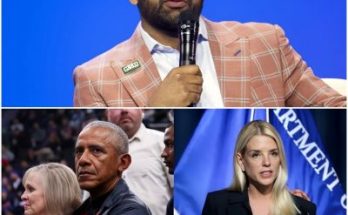
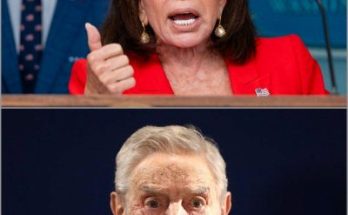
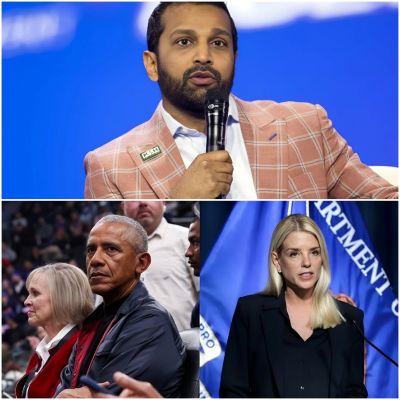
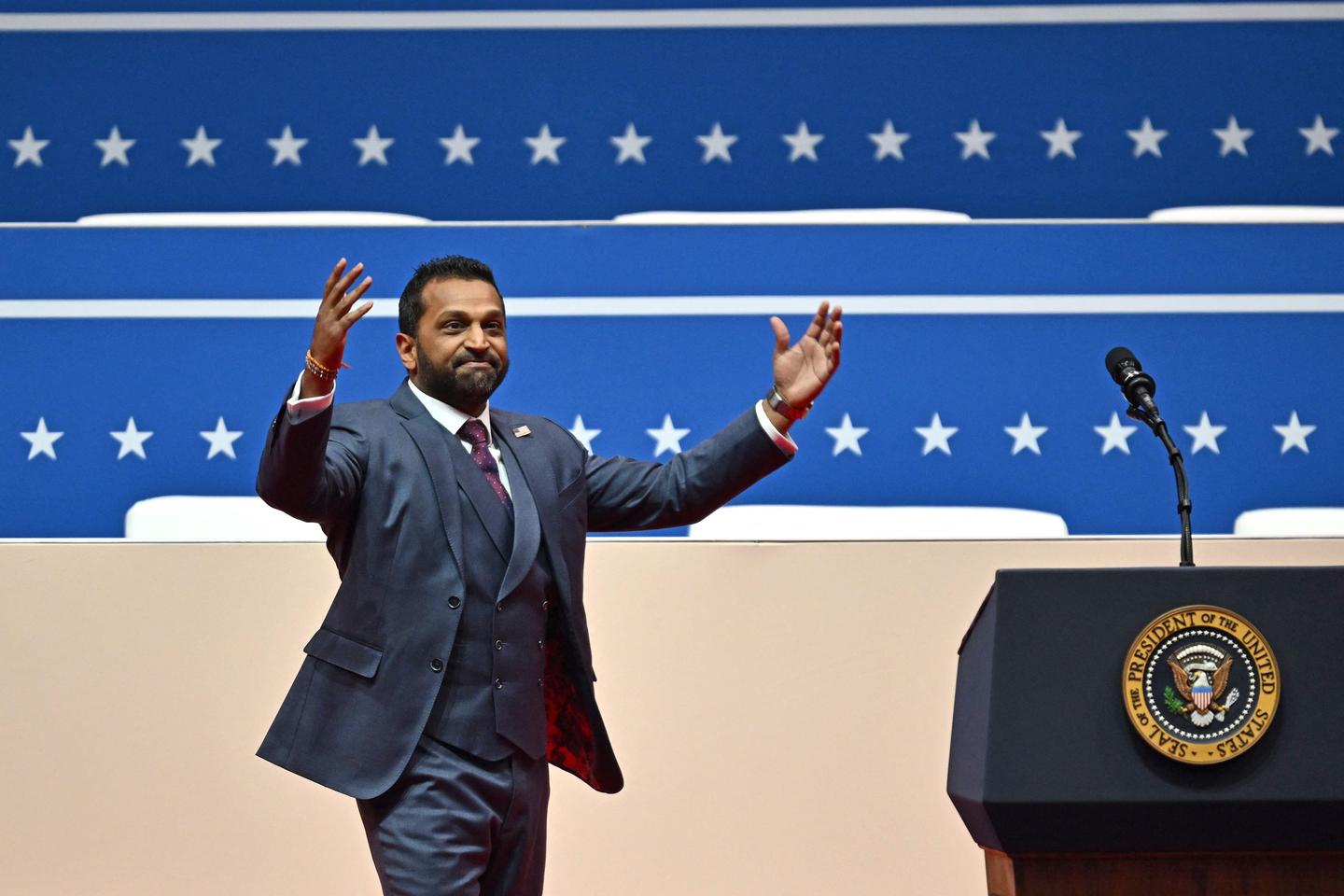
In a dramatic political turn of events, former government official Kash Patel has ignited a firestorm with accusations that a so-called “Deep State” network tied to former President Barack Obama is operating as an illegal criminal organization within the fabric of American governance. Patel’s comments have triggered intense debate among politicians, media pundits, and citizens alike, sparking a larger conversation about transparency, accountability, and the state of democracy in the United States.
The controversy has taken on national significance, as the Department of Justice (DOJ) is reportedly moving forward with a task force involving FBI, ATF, and DTF agents specializing in counterintelligence, tasked with investigating and dismantling this alleged “shadow government.” As more details surface, it’s clear that this issue could redefine the political landscape in the U.S. for years to come. In this article, we will delve into Patel’s bombshell allegations, the political implications of his claims, and the public’s response to this unprecedented event.
Kash Patel’s Allegations: Uncovering the “Deep State”
Kash Patel, a former high-ranking U.S. government official, has become one of the most vocal critics of the so-called Deep State—a shadowy network of government insiders believed to exert disproportionate power behind the scenes, beyond the control of elected officials. Patel’s claims that the network is criminal in nature and specifically tied to the Obama administration have sent shockwaves through Washington, D.C., and beyond.
Patel’s accusations are not new; they draw on years of public speculation about the influence of career bureaucrats and intelligence agents who supposedly operate in the background, unaccountable to voters and elected officials. What sets Patel’s statements apart, however, is his assertion that the Deep State is not just an abstract political force—it is an illegal, criminal network operating covertly within the U.S. government.
Patel’s remarks include a call for the dismantling of this alleged network, stating, “For years, a hidden power has been operating within our nation. It is illegal, immoral, and this time it will be dismantled.” These words signal a direct challenge to the established political order and underscore the depth of the allegations Patel is putting forward.
But Patel’s focus on Obama and his inner circle is perhaps the most controversial aspect of his remarks. According to Patel, the Deep State’s influence extends far beyond the Obama administration itself. Instead, he claims that Obama’s political network remains active and deeply embedded within the U.S. government structure.
The Alleged Role of Barack Obama in the Deep State
At the heart of Patel’s allegations is the idea that former President Obama’s political network did not dissolve after he left office in 2017. Rather, Patel asserts that this network continues to operate behind the scenes, influencing decision-making and policy, with far-reaching consequences for U.S. governance.
While former President Obama has remained largely out of the spotlight, Patel’s allegations paint a picture of a man whose influence endures far beyond his presidency. According to Patel, the network of individuals who served under Obama—ranging from former cabinet members to intelligence agents—has remained in place and continues to play an active role in shaping U.S. political and intelligence strategies.
In a highly charged political environment, the idea that a former president’s political influence could still hold such sway is a significant and unsettling notion. Patel’s claim adds a new layer to the conspiracy theory surrounding the Deep State, suggesting that its roots are not just entrenched within bureaucratic systems, but also tied to powerful political figures who wield their influence from the shadows.
The Role of the Department of Justice in Investigating the Deep State
In response to Patel’s accusations, the Department of Justice has reportedly initiated an investigation into the alleged Deep State network. According to sources close to the investigation, the DOJ is assembling a task force of counterintelligence specialists from the FBI, ATF, and DTF to investigate these claims.
The formation of this specialized task force underscores the gravity of the situation and signals that the government is taking Patel’s allegations seriously. The fact that the DOJ is moving forward with such a high-profile investigation into the so-called Deep State is not just a reflection of the public interest—it is also an acknowledgment of the growing concerns over transparency and accountability within the U.S. government.
The idea that a criminal network could be operating within the highest echelons of American power raises serious questions about the integrity of the political system. As the investigation progresses, it will likely become clearer whether these allegations hold any weight or are simply the product of political rhetoric designed to undermine Obama’s legacy and influence.

Public Reaction: Divided Opinions on the Deep State
Public reaction to Patel’s accusations has been decidedly mixed. While some Americans express concern that the Deep State could indeed be a real and present threat to democracy, others are skeptical of Patel’s claims, viewing them as politically motivated and lacking in substantial evidence.
A recent poll revealed that 65% of Americans support the idea of dismantling what they perceive to be a shadow government, with many believing that the Deep State represents an existential threat to democracy. These individuals argue that transparency, integrity, and accountability are essential to restoring public trust in government institutions. For them, exposing and dismantling the Deep State is seen as a necessary step to ensure that power remains in the hands of the people.
However, a significant portion of the American public remains unconvinced by Patel’s allegations. Critics of the Deep State theory argue that such claims are exaggerated and sensationalized for political gain. They point out that the very nature of the allegations makes them difficult to prove, and that framing a group of unelected bureaucrats as a “criminal network” only serves to fuel division and distrust.
The Political Ramifications: A Nation Divided
The political ramifications of Patel’s allegations are already being felt. In Washington, D.C., partisan lines have been drawn, with many politicians rushing to either defend or discredit the idea of a Deep State.
For some conservatives, Patel’s accusations are seen as an opportunity to dismantle what they view as a corrupt and overly powerful bureaucratic establishment. These figures argue that the exposure of a hidden, criminal network would be a victory for the American people, helping to restore trust in their government.
On the other side of the aisle, liberals and progressive politicians have been quick to reject Patel’s claims, dismissing them as a baseless conspiracy theory designed to undermine the Obama administration and discredit its legacy. Many see these allegations as part of a larger effort to delegitimize the progressive agenda and shift the political narrative in favor of conservative ideals.
The fallout from these allegations has led to an intensification of the already polarized political climate. As the investigation moves forward, it seems likely that the Deep State issue will continue to dominate political discourse, with each side using it as a rallying cry for their respective causes.

Media Coverage: Shaping Public Perception
The media plays a critical role in shaping public perception of the Deep State allegations. News outlets across the country have devoted extensive coverage to Patel’s claims, providing platforms for both supporters and detractors of the theory. The way in which the media covers the unfolding investigation will have a profound impact on how the American public views the issue.
Some media outlets have embraced Patel’s narrative, framing it as a courageous stand against corruption in the government. These outlets argue that Patel’s allegations are an important step in holding powerful elites accountable for their actions.
Other outlets, however, have questioned Patel’s credibility and motives, focusing on the lack of concrete evidence to support his claims. These critics argue that the Deep State narrative is a distraction from more pressing political issues and that it could serve to sow further division in an already fractured political environment.
As the investigation unfolds, it will be interesting to see how the media continues to cover the story and whether new evidence emerges to substantiate or refute Patel’s claims.
The Future of American Democracy: Transparency, Trust, and Accountability
The allegations surrounding the Deep State raise critical questions about the future of American democracy. If Patel’s claims are proven to be true, it could represent a fundamental breach of trust between the American people and their government. The idea that powerful political figures and unelected bureaucrats could secretly control major aspects of the political system would have far-reaching consequences for the functioning of U.S. democracy.
On the other hand, if the allegations are found to be baseless, it will be crucial for the government to restore public confidence in its institutions and ensure that transparency and accountability remain at the forefront of political discourse.
As the investigation continues, Americans will be watching closely to see how the government handles these allegations and whether the truth comes to light. Ultimately, the future of the Deep State narrative will depend on whether the U.S. government can prove its commitment to upholding the rule of law and restoring faith in democratic institutions.