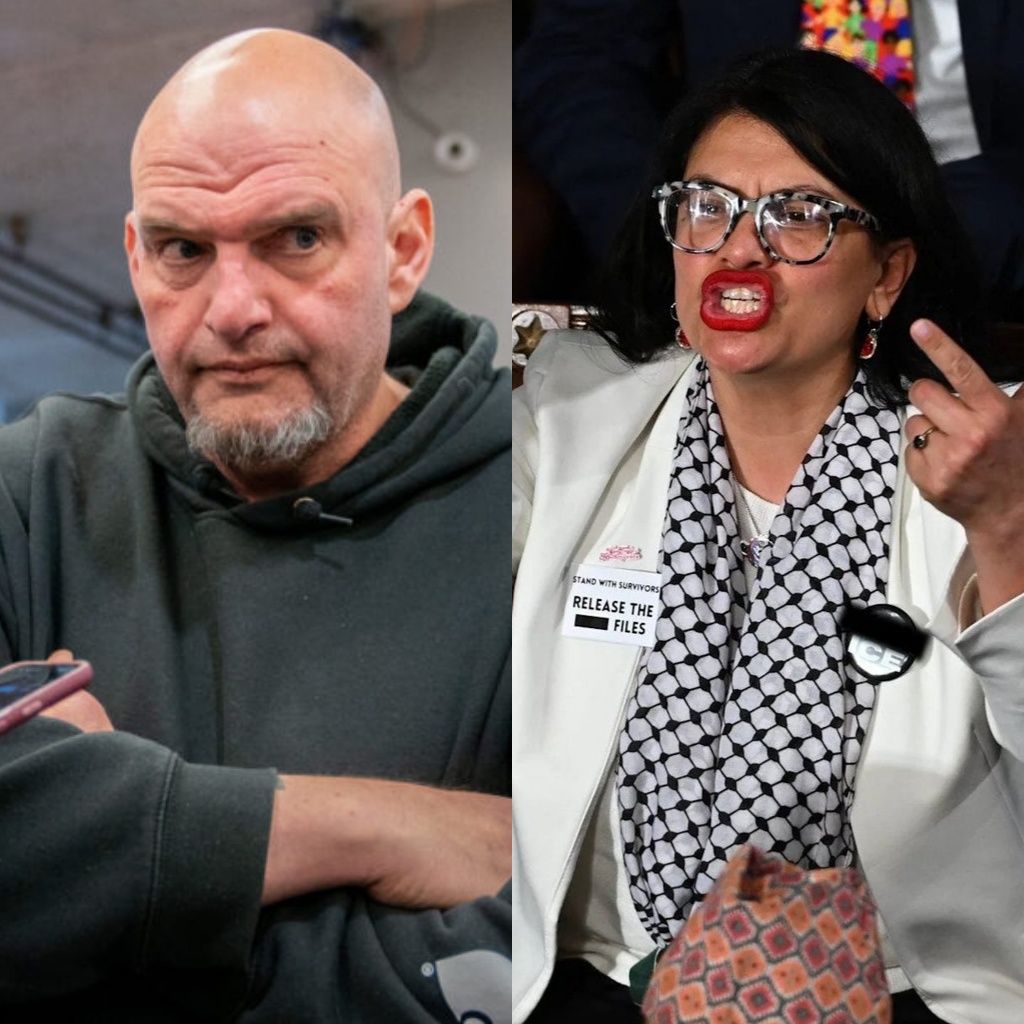
On the floor of Congress, in a moment that sent shockwaves throughout the nation, Senator John Fetterman made a statement that would be remembered for years to come. His explosive speech, broadcast live on C-SPAN, accused members of Congress, particularly those aligned with Alexandria Ocasio-Cortez’s “Squad,” of “selling out America” and betraying the values upon which this nation was built. What followed was a national outcry and a debate that sparked fierce disagreements, with Fetterman demanding the immediate expulsion of 14 naturalized lawmakers. His words, powerful and unapologetic, have shaken the very foundation of political discourse in America.
This article delves into the events of that fateful day, examining Fetterman’s controversial remarks, the reaction from his fellow lawmakers, and the broader implications of his statements. Was this a bold stand against foreign influence in American politics, or a dangerous call for exclusion that threatens the values of democracy? Let’s explore the details of Fetterman’s speech and the fallout that followed.
The Speech That Shook Congress
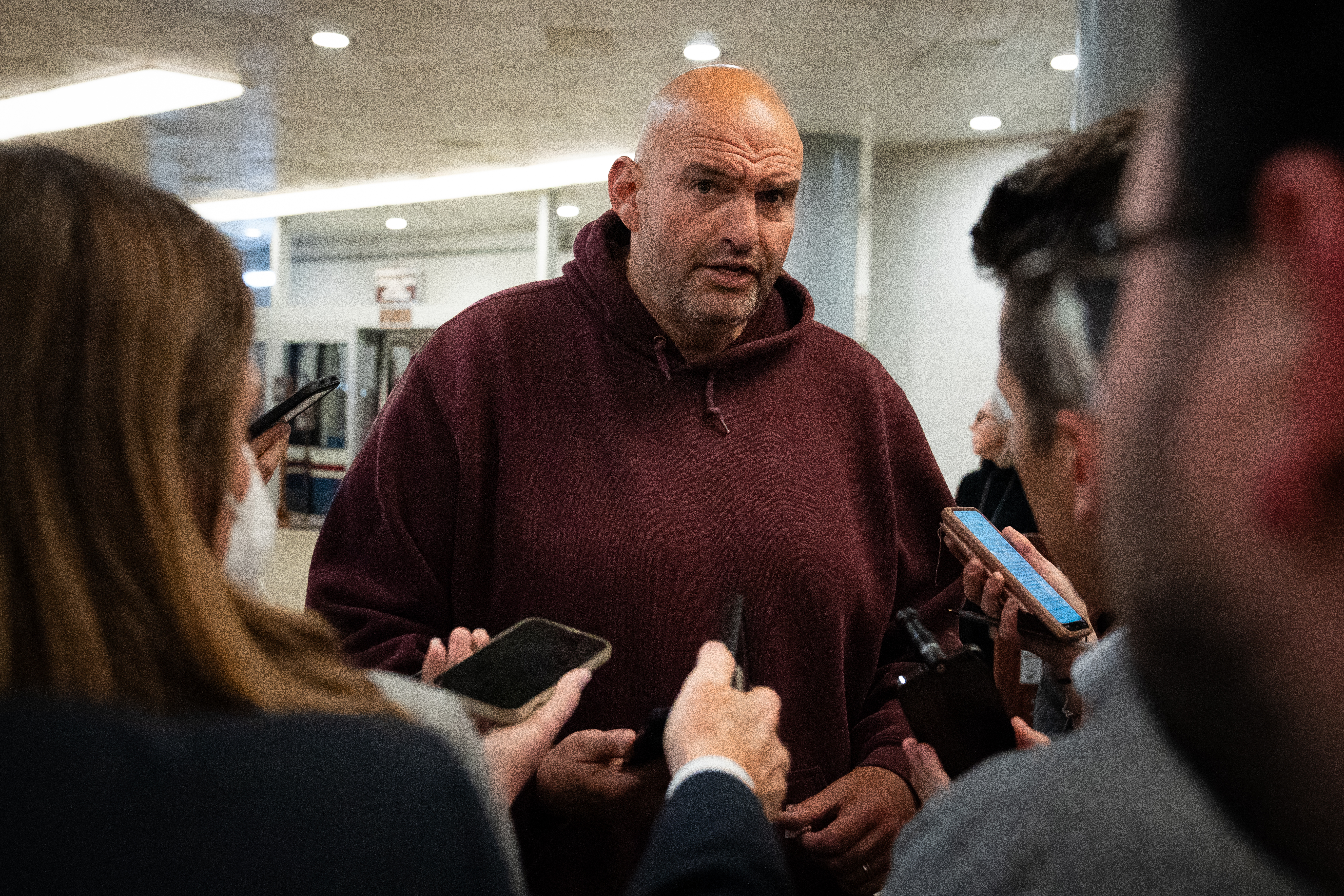
John Fetterman’s speech was not just a typical address to Congress. It was a declaration of war against what he described as a growing faction within the government that was more loyal to foreign interests than to the United States. Standing at the podium, Fetterman raised the “Born in America Act” folder and began his remarks with an unapologetic declaration: “If your allegiance isn’t to this nation, you have no place in the People’s House.”
The room fell silent as Fetterman, with his trademark bluntness, laid out his accusations. He specifically targeted the progressive wing of the Democratic Party, accusing them of failing to prioritize the interests of American citizens. “What we have in Congress today are a coalition of foreign-funded loyalists masquerading as public servants,” Fetterman said, his voice rising with conviction.
Fetterman’s speech was personal, cutting, and aggressive. He painted a stark picture of what he believed was an infiltration of American politics by individuals with divided loyalties. His claims were not based solely on ideology, but on a direct challenge to the very legitimacy of certain lawmakers. The naturalized citizens in question were not only accused of betraying the nation but also of acting as puppets for foreign interests.
The Allegations: A “Coalition of Foreign-Funded Loyalists”
Fetterman’s allegations were aimed squarely at a group of 14 naturalized lawmakers whom he believed were working against the best interests of America. He referred to them as a “coalition of foreign-funded loyalists,” suggesting that these lawmakers were more loyal to their foreign benefactors than to the American people. His argument was rooted in the idea that naturalized citizens, having taken an oath to the country, should place American interests above all else. For Fetterman, their perceived allegiance to foreign powers was an unforgivable betrayal of that oath.
“If you take money from foreign entities and pledge allegiance to foreign powers, you have no place in this house,” Fetterman thundered. This sentiment became the crux of his argument, drawing lines between those who he felt were true servants of the American people and those he believed were secretly undermining the nation.
For many of the naturalized citizens in Congress, Fetterman’s words were a direct attack on their integrity and patriotism. They had worked tirelessly to become part of the American political landscape, many having come to the U.S. from countries where democratic principles were not as firmly established. Fetterman’s speech, in their eyes, was not just politically divisive; it was a personal affront.
Reactions: The Nation Divided
Fetterman’s speech ignited a firestorm of reactions, both within Congress and across the country. The political divide deepened as lawmakers from both parties scrambled to respond. Some supported Fetterman’s call for action, while others condemned his remarks as a dangerous and divisive move.
Progressive Democrats React: A Stand for Inclusion
The response from progressive Democrats was swift and filled with anger. Alexandria Ocasio-Cortez, the face of the Squad, wasted no time in denouncing Fetterman’s remarks. “This is nothing but xenophobic rhetoric disguised as patriotism,” Ocasio-Cortez tweeted. “We will not stand for this. America is built on diversity, and we must embrace that fact.”
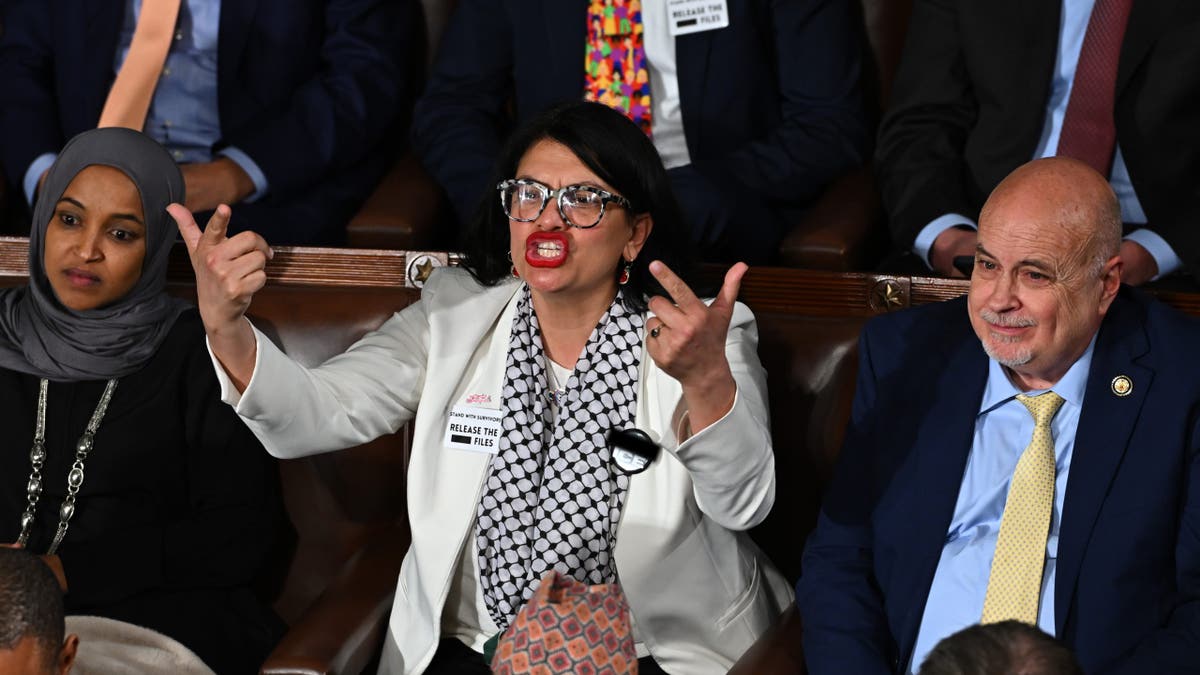
Other members of the Squad, including Ilhan Omar and Rashida Tlaib, also voiced their outrage. “This is an attack on immigrant communities and the values we stand for,” said Omar. “We should be empowering naturalized citizens, not questioning their loyalty.”
Ocasio-Cortez continued: “To suggest that naturalized citizens are inherently unqualified to serve is a direct violation of everything we stand for as a nation of immigrants.”
Moderates and Republicans: Caution and Support for Fetterman’s Broader Message
While progressives recoiled from Fetterman’s speech, moderates within the Democratic Party and many Republicans found themselves in a more complicated position. Some recognized the broader concern Fetterman was trying to highlight—foreign influence in American politics—but disagreed with his specific accusations.
Senator Joe Manchin, a moderate Democrat from West Virginia, responded by acknowledging that foreign influence in politics was a growing issue but questioned Fetterman’s extreme stance. “We need to ensure that foreign money is not tainting our democratic process, but we cannot let this become an issue of exclusion,” Manchin said. “Expelling lawmakers without clear evidence of wrongdoing is not the way to go.”
On the Republican side, Fetterman’s words found a more receptive audience. Senator Ted Cruz, a frequent critic of the Squad, tweeted, “Finally, someone is standing up against the foreign-funded puppets in Congress. We need more people like John Fetterman who will put America first.”
Other Republican lawmakers, however, voiced concerns about Fetterman’s tactics. “While I share concerns about foreign influence, we must be careful about casting suspicion on entire groups of people based solely on their citizenship,” said Senator Lindsey Graham.
The National Debate: What Does Loyalty to America Mean?
Fetterman’s speech has triggered a larger national debate about what it means to be truly loyal to America. Is loyalty to the nation something that should be unquestionable, particularly for those who have gained citizenship through naturalization? Or does true loyalty lie in the ideals and principles of American democracy, regardless of birthplace?
This debate has sparked conversations in every corner of the country, from social media to dinner tables. It raises fundamental questions about identity, citizenship, and the values that define the United States. Is America a country defined by birthright, or is it a nation that welcomes people from all backgrounds and offers them a chance to contribute to its greatness?
Fetterman’s call for the expulsion of 14 naturalized lawmakers has pushed these questions to the forefront of political discourse. Whether or not his plan gains traction, it has certainly forced the nation to confront uncomfortable truths about loyalty, inclusion, and the future of American politics.
A Nation Divided
In the aftermath of Fetterman’s explosive speech, the political landscape in the United States has shifted. What began as a fiery critique of foreign influence in politics has morphed into a national debate about the very nature of American citizenship. The conversation is far from over, and the repercussions of Fetterman’s words will likely reverberate for years to come.
As the nation grapples with questions of loyalty, allegiance, and inclusion, it remains to be seen whether Fetterman’s bold actions will lead to meaningful change or simply serve as a stark reminder of the divisions that continue to plague American politics.
One thing is certain: the events of that day in Congress will not be forgotten, and the debate over who truly belongs in the People’s House has only just begun.
