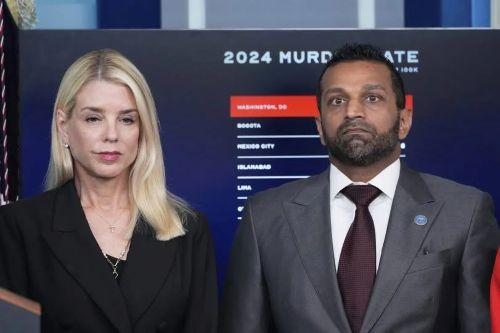
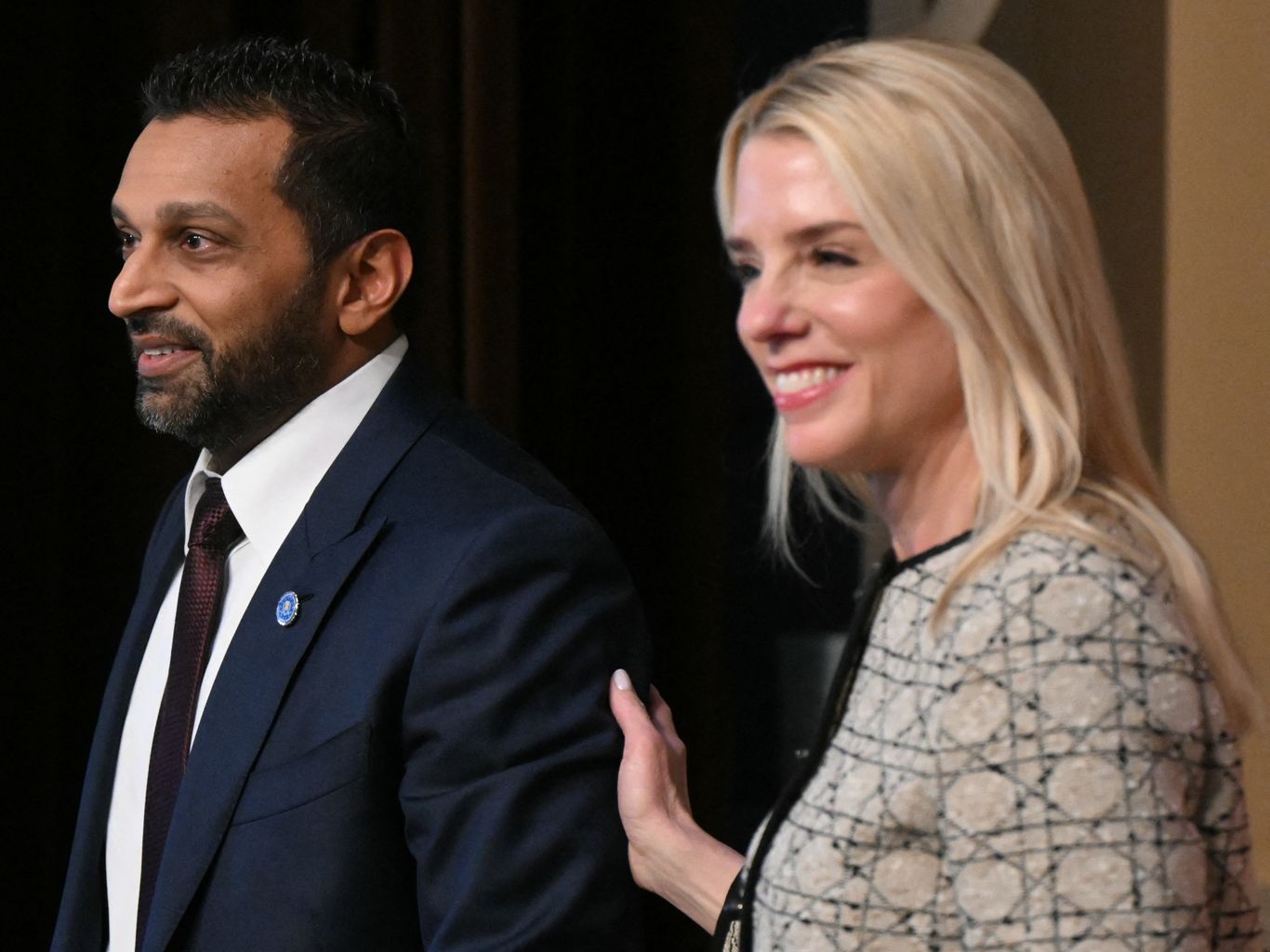
In a dramatic turn of events, a federal lawsuit has been filed against former FBI Director Kash Patel and Attorney General Pam Bondi, accusing them of orchestrating a sweeping political purge within the FBI to target agents who were perceived as enemies of the Trump administration. The lawsuit, filed in D.C. District Court by three decorated FBI agents, Jamie Garman, Blaire Toleman, and Michelle Ball, claims that they were fired for doing their jobs impartially and without political bias, yet were punished for their perceived disloyalty to Trump’s political agenda. What is even more alarming is that the lawsuit alleges that this purge extended far beyond the agents involved in Trump-related investigations.
The Allegations: A Coordinated Political Purge
The complaint filed in court paints a chilling picture of what is described as a politically motivated retaliation campaign, aimed at eliminating those within the FBI who were perceived to be adversaries of the Trump administration. The plaintiffs claim that they, along with dozens of other agents, were dismissed for reasons that had nothing to do with their professional conduct or abilities, but rather because of personal and political factors.
Bondi and Patel, the lawsuit claims, initiated a purge of FBI employees, targeting individuals who were suspected of harboring political views contrary to those held by the Trump administration. This included individuals who had worked on investigations related to Trump, as well as agents whose political views were seen as incompatible with the administration’s agenda. In a striking statement, the plaintiffs argue that their firings were not based on failures in their duties, but because they “did their jobs without making exceptions to the law” that aligned with Trump’s political needs.
The Purge Spreads: Political Allegiances and Personal Beliefs as Grounds for Termination
According to the lawsuit, the purge was not limited to those involved in Trump’s investigations, but expanded to include agents with personal and political characteristics that were deemed undesirable by the Trump administration. The lawsuit names several key reasons why agents were allegedly fired:
- Support for Black Lives Matter (BLM): Some agents were allegedly dismissed for perceived support of the Black Lives Matter movement, which was a controversial and polarizing topic during the Trump administration.
- LGBTQ Pride Flags: Agents were reportedly fired for displaying LGBTQ pride flags at their desks, which were viewed as signs of political dissent against the administration’s policies on LGBTQ rights.
- Personal Relationships: Some agents lost their jobs for maintaining friendships with colleagues or former colleagues who were viewed unfavorably by the administration.
- Targeting by Far-Right Media: Others were allegedly punished for being targeted by far-right media personalities, which led to heightened scrutiny of their political affiliations.
- Artificial Intelligence Surveillance: In one of the most disturbing details, the lawsuit alleges that the FBI began using artificial intelligence surveillance tools to flag agents’ internal communications and identify “thought crimes” or ideological dissonance. Internal messages that were flagged by AI surveillance reportedly became grounds for termination.

The Sin of Kneeling: A Symbolic Protest with Consequences
One of the most chilling details in the lawsuit involves the firing of FBI agents who participated in kneeling during the 2020 racial justice protests. These protests, which erupted after the killing of George Floyd, sparked a wave of national protests and calls for police reform. Some FBI agents, as a sign of solidarity with the movement and the calls for justice, kneeled in peaceful protest during these demonstrations. According to the lawsuit, these agents’ participation in the protest was seen as an unforgivable act by the Trump administration, leading to their dismissal.
The lawsuit describes this as a clear example of how political views on race and justice were being used as litmus tests for loyalty within the FBI. Agents who expressed support for racial justice or took a stand against police brutality were allegedly punished, while those who adhered to a more conservative stance aligned with the administration’s views were retained.
The Dystopian Nature of Surveillance and Control
Perhaps the most unnerving aspect of the lawsuit is the allegation that the FBI, under the Trump administration, employed artificial intelligence to monitor agents for “thought crimes.” The lawsuit claims that AI tools were used to flag internal messages and communications for ideological purity, indicating a shift toward surveillance not only of the public but also within the ranks of law enforcement agencies.
The use of AI surveillance to monitor FBI agents for political dissent presents a dangerous precedent for the future of government surveillance. If these allegations are true, it signals a grave erosion of the principles of privacy and civil liberties within the very institutions tasked with upholding the law. What was once a mechanism to protect citizens may now have become a tool of ideological control and political persecution.
The Expanding Lawsuit: What’s at Stake for the Justice Department?
This lawsuit represents just the tip of the iceberg. The plaintiffs have stated that they represent a class action that could encompass as many as 50 fired FBI agents, with that number expected to grow. If this case moves forward and additional agents come forward with similar allegations, it could lead to an unprecedented reckoning within the Justice Department and the FBI.
The implications of this case are profound. If the lawsuit is successful, it could lead to widespread changes in how political appointees like Kash Patel and Pam Bondi operate within government agencies. It could also prompt a larger public discussion about the role of loyalty in government service and the dangerous consequences of politicizing law enforcement agencies.
A Growing Pattern of Political Purges: Trump’s “Witch Hunt” Reversed
Ironically, while former President Donald Trump spent years accusing others of engaging in political persecution and conducting “witch hunts” aimed at him, it appears that under his own administration, the Justice Department conducted a very real purge of federal law enforcement personnel. The “witch hunt” he accused others of was not, as he often claimed, aimed at him, but at those within his own government who refused to bend to his political will.
This lawsuit, coupled with the growing number of claims from other fired FBI employees, paints a picture of an administration that used its power to punish dissenting voices within its ranks. The political purge alleged in this lawsuit appears to have been a systematic effort to rid the FBI and the Justice Department of individuals who were seen as “enemies” of the Trump administration.
This marks the second such lawsuit in recent months, with one earlier filed this year targeting the Justice Department for retaliatory firings connected to the Trump investigations, code-named “Arctic Frost.” As more individuals come forward with similar claims, the walls are beginning to close in—not on the so-called “deep state” Trump often accused of working against him, but on the very real, documented political persecution operation built by his own administration.

What’s Next: The Growing Debate on Political Loyalty and Government Service
As the lawsuit proceeds, it raises significant questions about loyalty, accountability, and the role of political affiliation in government service. Should individuals in positions of power be judged solely on their allegiance to a political ideology, or should they be held to higher standards of integrity, professionalism, and impartiality?
For many, the firing of these FBI agents symbolizes the growing politicization of government institutions. In a democracy, it is essential that law enforcement agencies remain neutral and serve the public without regard for political affiliation. However, the allegations in this lawsuit suggest that, under the Trump administration, political loyalty became a central factor in determining who was allowed to remain in federal service.
As the case continues to unfold, it is likely that it will spark a broader debate about the role of political loyalty in government service and the importance of protecting the integrity of law enforcement agencies from political influence. Whether the fired agents win their case or not, their claims have already brought to light a deeply troubling chapter in the history of American governance.
Conclusion: A Dark Chapter in U.S. Government History
The allegations made in this lawsuit are not just about the actions of two individuals—Kash Patel and Pam Bondi—they represent a systemic issue that could have far-reaching consequences for the future of American politics. If these claims are proven true, they could expose a dark chapter in the history of the Trump administration, one where political loyalty was prioritized over the rule of law and the principles of justice.
The political purge allegedly conducted by Patel and Bondi within the FBI represents an alarming example of how power can be used to suppress dissent and stifle public servants who dare to stand up to political influence. This lawsuit is just one example of how political forces have tried to infiltrate and manipulate federal law enforcement agencies to serve their own agendas.
As the lawsuit proceeds, it will be essential for the public to remain vigilant in holding those in power accountable. The integrity of America’s justice system depends on the commitment of federal agencies to operate free from political interference. The outcome of this case will shape the future of American governance, and whether the ideals of fairness and impartiality can be preserved in the face of partisan politics.