In Washington’s current political climate, feuds between lawmakers are hardly uncommon. But when one of those feuds involves a sitting U.S. Senator calling out a colleague in front of national press, the clash takes on a broader meaning — not just about politics, but about principle, loyalty, and the direction of the Democratic Party itself.
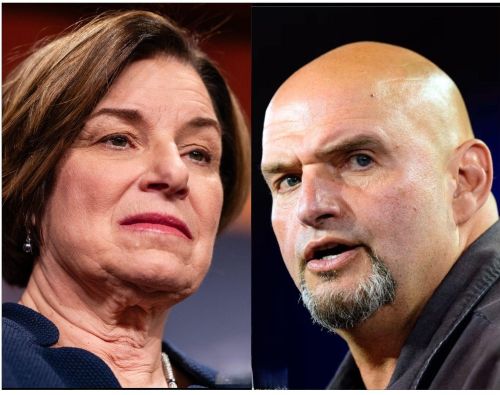
Recently, Senator John Fetterman of Pennsylvania found himself at the center of such a storm — not for the first time, but perhaps for the most consequential. After Minnesota Senator Amy Klobuchar publicly accused him of “siding with the enemy,” Fetterman responded — not with the usual political deflection, but with a blunt honesty that has both frustrated and inspired observers on both sides of the aisle.
As Fetterman himself put it, “The Senator from Minnesota should remember that she serves the people and not the party.” And he didn’t stop there. “If she put this much effort into combating fraud at home where it matters,” he continued, “she wouldn’t be so worried about losing in November.”
The exchange has ignited debate inside the Democratic Party, raised eyebrows across political media, and sharpened the ongoing question facing the party in the 2026 election cycle: Is unity possible — or even desirable — when core priorities are so fiercely contested?
The Spark: Klobuchar’s Accusation
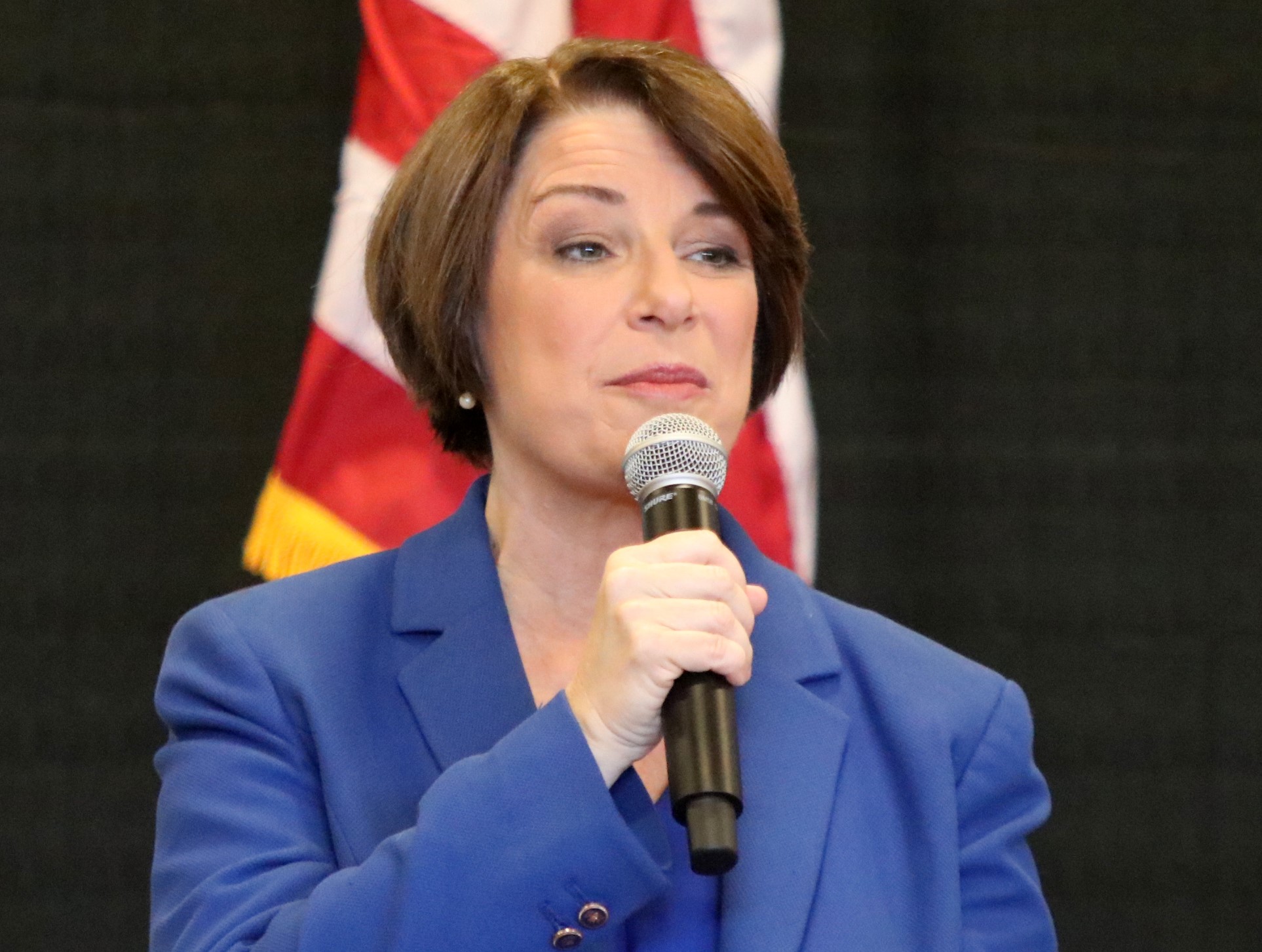
The conflict began at a news conference earlier this month when Senator Klobuchar accused Fetterman of “siding with the enemy” on a high‑profile policy dispute. Klobuchar — known for her moderate stance and reputation for cross‑party negotiation — suggested that Fetterman had gone too far in opposing certain bipartisan enforcement measures. Her implication was clear: Fetterman’s position was not only politically extreme, but potentially harmful to Democratic chances in key swing states.
The remarks landed hard. For Klobuchar, it was a strategic critique born out of concern for party cohesion and electoral pragmatism — a message she has long delivered to colleagues who stray from centrist policy alignments.
For Fetterman, however, the message struck a different nerve.
Fetterman’s Counterpunch: Principles Over Party
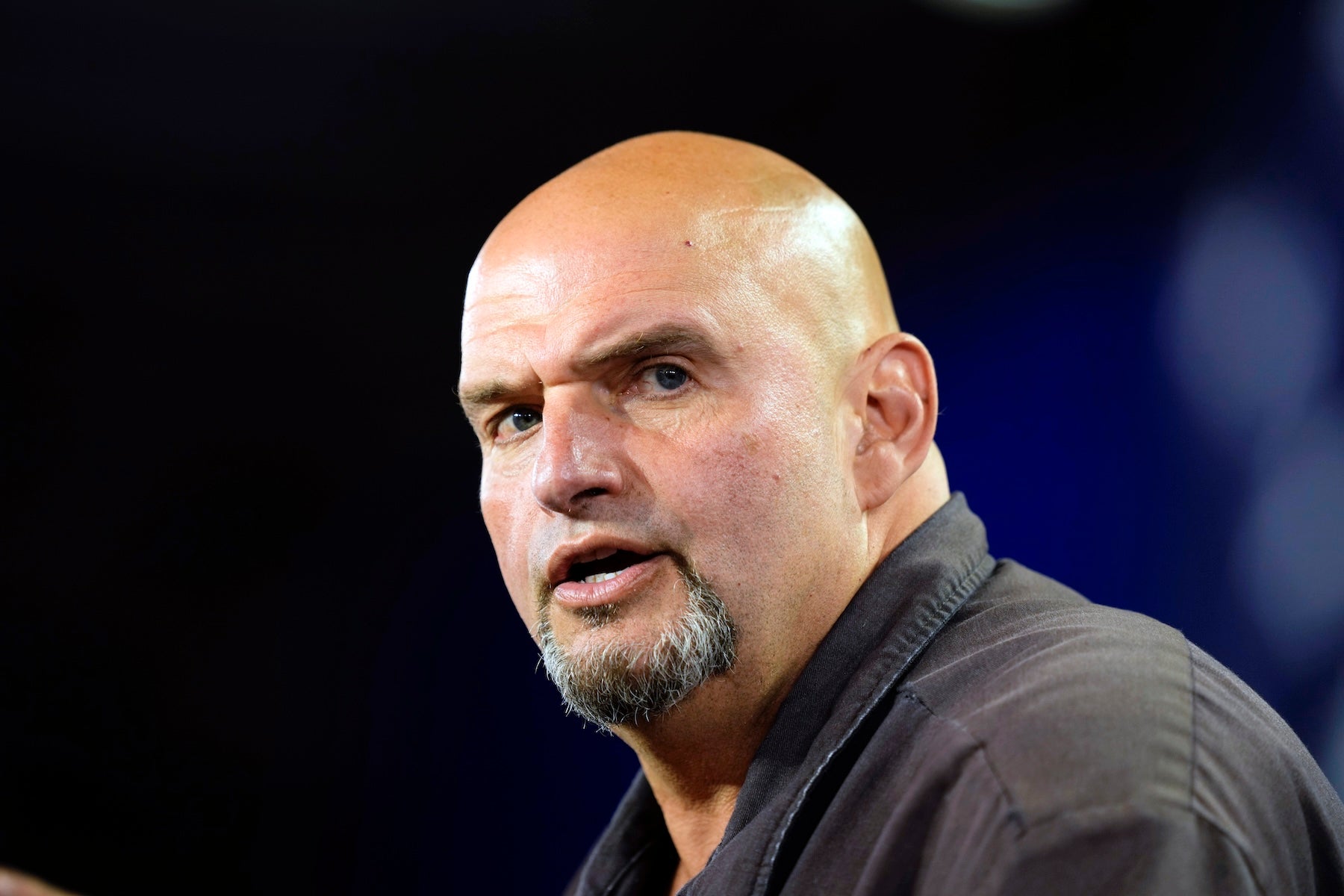
Rather than retreat or release a carefully worded statement, Fetterman held a press briefing that quickly became the centerpiece of his response:
“I answer to the people of Pennsylvania first, and to no party leadership that would try to dictate how I vote or what I defend,” he said, his voice steady but firm.
The core of his rebuke wasn’t a denial of Klobuchar’s critique — it was a challenge to the premise that political survival should outweigh policy integrity. Fetterman, known for his forthright communication style and willingness to buck party orthodoxy, framed his stance as one rooted in democratic accountability rather than political calculation.
By linking Klobuchar’s criticism with concerns about electoral loss, Fetterman argued that policy debates shouldn’t be reduced to polls or focus groups. Instead, he said, lawmakers should focus on addressing the issues their constituents face — whether it’s economic inequality, public safety, access to healthcare, or government transparency.
A Party Divided: Moderates and Progressives at Odds
What unfolded is emblematic of a broader tension within the Democratic Party — a simmering ideological divide between its moderate wing and its progressive flank.
On one side stand lawmakers who stress compromise, electoral strategy, and coalition‑building. On the other are those who prioritize bold reform, structural change, and grassroots activism — even if it risks political collision.
For Klobuchar, maintaining alliances across the aisle and appealing to suburban and swing voters is a fundamental strategy for keeping the Senate and the White House within reach. Her brand of politics emphasizes incremental wins and cross‑partisan collaboration — a style that has defined much of her legislative career.
Fetterman, by contrast, has built his political identity on reformist energy and blunt honesty. From his time as Pennsylvania’s lieutenant governor to his tenure in the Senate, he has repeatedly drawn attention — and controversy — for refusing to water down his positions for political comfort.
This isn’t the first controversy to surface between the centrist and progressive wings of the Democratic Party. But Fetterman’s public critique of Klobuchar — and his unapologetic refusal to soften his stance — marks one of the most visible intra‑party debates in recent years.
Public Reaction: A Party Listening Closely
The response among voters and political commentators has been dramatic and polarized.
Donors and Democratic strategists aligned with the moderate wing voiced concern that Fetterman’s rhetoric could alienate voters in key battlegrounds, especially in suburban districts that have shifted toward pragmatism in recent cycles.
Meanwhile, progressive activists praised Fetterman’s stance, framing it as a long‑overdue pushback against the idea that Democrats must always conform to the same centrist playbook that they believe helped cost the party ground in previous elections.
On social media platforms, hashtags like #PeopleOverParty and #FettermanSpeaksTruth began trending among left‑leaning users, while critics used equally sharp hashtags to question his political judgment.
Some commentators have framed the clash as symbolic of a deeper generational and strategic reckoning within the party — one where competing visions for America’s future are now colliding more openly than ever.
What This Means for November
Perhaps the most consequential part of this debate isn’t the exchanged words — it’s what they signal about Democratic strategy heading into an increasingly tense election cycle.
Will the party coalesce around a unified message that resonates across America’s diverse electorate? Or will internal divisions, such as the one highlighted by Fetterman and Klobuchar’s exchange, continue to surface and shape the national narrative?
For Pennsylvania voters, many of whom have watched Fetterman’s rise with admiration, the senator’s recent statements have resonated as a bold affirmation of authenticity over political calculus. For others, including some Democrats in swing states, the concern remains that hotly worded disputes like this play into the opposition’s hands and distract from broader electoral objectives.
A New Era of Democratic Discourse?
What’s clear is that the American political landscape — and particularly Democratic discourse — is in flux. The era of quiet caucus disagreements may be giving way to a new phase of transparent, public ideological debate.
As scholars and political analysts observe, this kind of confrontation might be uncomfortable, but it may also reflect a healthy democratic process — where policy priorities, strategic concerns, and differing philosophies are openly negotiated.
For Senator Fetterman and Senator Klobuchar, the debate is now part of a larger national conversation:
- Can a party balance idealism and pragmatism?
- Should lawmakers prioritize principles even when political risk is high?
- And what does it mean when internal disagreements become headline news?
There are no easy answers — only the unfolding reality of American democracy in motion.
The Clash That Could Define a Party
In responding to the criticism from Senator Klobuchar, Senator Fetterman didn’t simply defend his record — he set down a clear marker about how he views his role as a lawmaker: not as a steward of party messaging, but as a representative of people whose faith he believes can’t be taken for granted or overshadowed by electoral strategy.
Whether you view his stance as courageous or contentious depends largely on where you stand ideologically. One thing, however, is certain: this clash has captured a moment in time that the Democratic Party — and the nation — cannot ignore.
As the country moves closer to November, all eyes will be on how this internal reckoning shapes campaign strategies, voter engagement, and ultimately, the future of American politics itself.