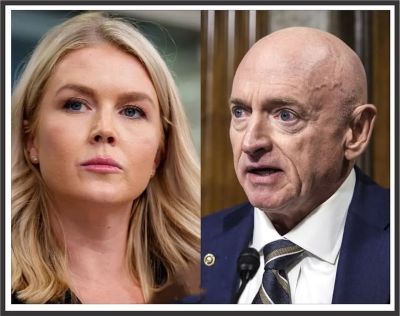
White House Press Secretary Karoline Leavitt made a bombshell announcement this morning regarding Senator Mark Kelly (D-AZ), revealing that his security clearance has been revoked “at every level.” This unprecedented move has serious implications for the senator’s access to national security information and his ability to continue in his role on the Senate National Security Committee.
As part of the Senate National Security Committee, Kelly had access to a wide range of classified briefings, intelligence reports, and other top-secret material critical to formulating national defense and security policies. With the revocation of his clearance, Kelly will no longer receive daily briefings and will be cut off from some of the most sensitive information necessary to effectively carry out his responsibilities in Congress.
Implications for Senator Kelly’s Role in Congress
The revocation of Kelly’s clearance essentially strips him of his ability to fully participate in one of the Senate’s most important committees. The Senate National Security Committee is tasked with overseeing the U.S. intelligence community, national defense policy, and military strategies, making access to classified material a vital part of the job. Without access to this information, Kelly’s role on the committee is fundamentally compromised.
For a senator with Kelly’s background—having served as an astronaut and a veteran of the U.S. Navy—this decision is particularly ironic. Kelly had built his political career on a foundation of service to the country and national security expertise, making this decision even more controversial and unexpected.
In a statement, the White House made it clear that the revocation was part of a broader effort to ensure that sensitive national security matters are handled appropriately. Kelly, who has held his Senate seat since 2020, is no longer deemed fit to access the classified information that plays a central role in his duties on the Senate National Security Committee.
This decision raises serious questions about the process behind the revocation. What prompted the move? Was it a policy violation, a national security concern, or something else entirely?
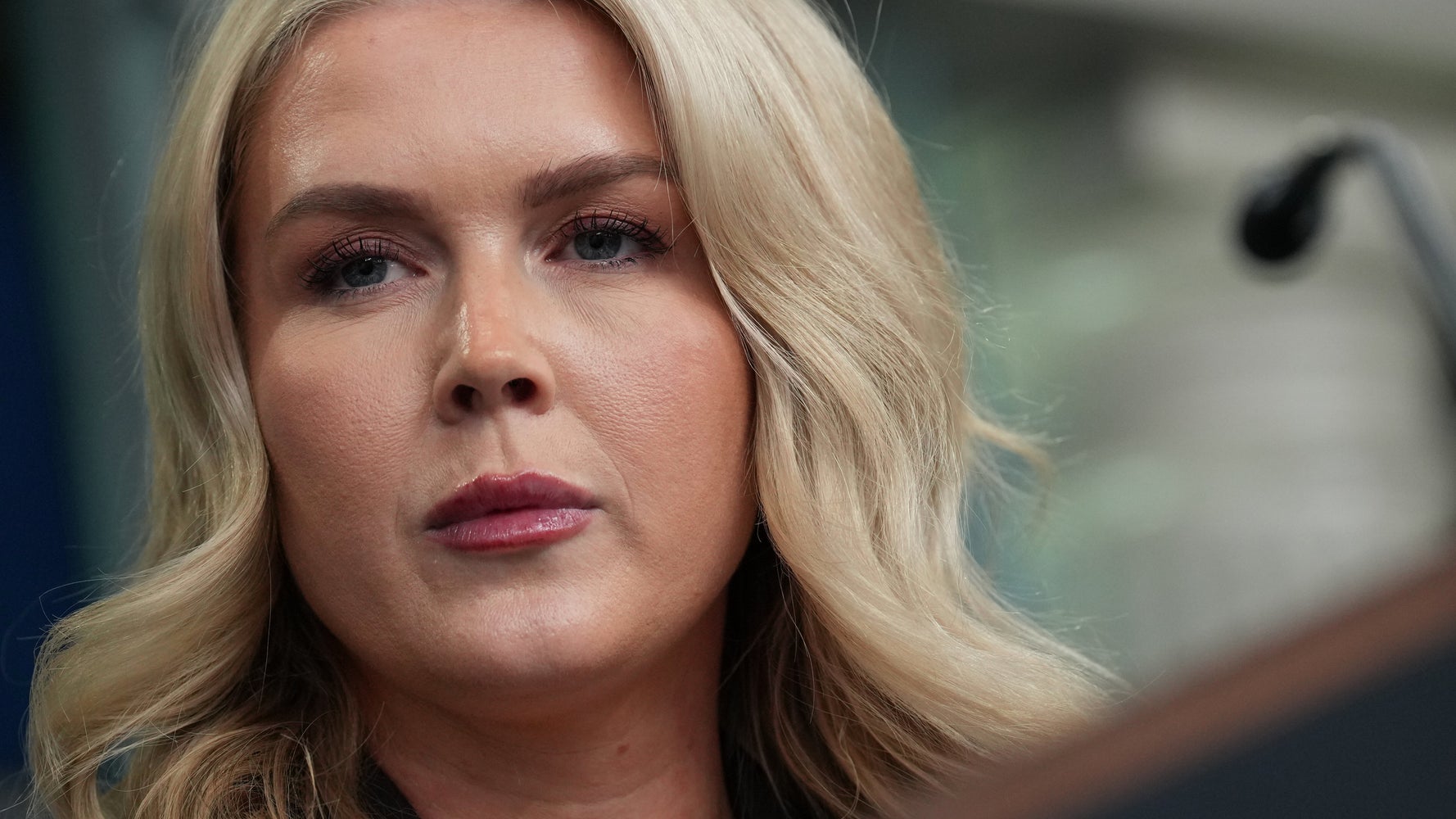
Senate Majority Leader John Thune’s Remarks
After the announcement by the White House, Senate Majority Leader John Thune weighed in on the situation, stating that Kelly’s clearance revocation could not go without consequences. In an official statement, Thune expressed that if Kelly did not step down from his position voluntarily, the Senate leadership would take action and replace him by the end of the month.
Thune’s comments reflect the gravity of the situation. Kelly’s absence from the National Security Committee could create a void in the Senate’s ability to provide appropriate oversight on sensitive national security issues. With the Senate leadership already considering replacing him if he does not resign, it is clear that Kelly’s future in the Senate could be at risk.
“We will replace him by the end of the month if he doesn’t step down,” Thune said. “Senator Kelly’s inability to maintain security clearance means he can no longer carry out his duties on the Senate National Security Committee effectively. The American people deserve better.”
These words signal a broader sense of urgency within the Senate and may place increased pressure on Kelly to respond quickly. He has now been put in a position where he could be forced to make a difficult choice: step down from the committee or risk facing replacement by the Senate majority.
Political Context: Why This Is a Big Deal
Senator Kelly, a former astronaut and military veteran, has gained significant respect in the Senate for his background and expertise in matters related to national defense, space policy, and security. His sudden loss of clearance raises questions not only about Kelly’s personal conduct but also about broader issues within the Senate regarding security access and national security oversight.
For the past several months, there have been growing concerns in Washington about the appropriate handling of classified information and security clearance in light of several high-profile breaches and leaks. This has prompted several reforms and stricter vetting processes to ensure that only those with the highest integrity and accountability are granted access to some of the nation’s most sensitive information.
Kelly, known for his calm demeanor and diplomatic approach to bipartisan issues, had been seen as a stabilizing force in the Senate. His expertise on national defense matters made him an important figure within the Senate Armed Services Committee and the Senate Intelligence Committee. The revocation of his security clearance has cast a shadow over his political future, and the situation could have significant repercussions both in his home state of Arizona and on the national stage.
Senator Kelly’s History of National Security Advocacy
Mark Kelly’s political journey has been heavily influenced by his career as an astronaut and Navy captain. Kelly became well-known for his work on space policy, having flown on multiple Space Shuttle missions as an astronaut. After leaving NASA, Kelly became an advocate for gun control, following the tragic shooting of his wife, Gabrielle Giffords, a former U.S. Congresswoman.
But Kelly’s advocacy for national security, both in his time as an astronaut and in his role as a U.S. Senator, has been a significant part of his career. As a member of the Senate Armed Services Committee and the Senate National Security Committee, Kelly had a central role in shaping policy related to military readiness, intelligence, and defense infrastructure. His military background and technical expertise gave him a unique perspective on how to address issues like cybersecurity, defense strategy, and international relations.
However, his involvement in national security issues could now be brought into question. The revocation of his clearance may be seen as part of an effort to create more oversight and transparency in the Senate’s handling of classified information. With Kelly stripped of his access to critical national security materials, it is clear that the Senate leadership is signaling that no one is above the scrutiny that accompanies access to such sensitive information.
The Fallout: What’s Next for Senator Kelly?
As of now, Senator Kelly has not publicly responded to the White House’s announcement or the remarks made by Senate Majority Leader Thune. The situation is still unfolding, but it is clear that Kelly’s future in the Senate is now in jeopardy.
If Kelly is removed from the Senate National Security Committee, it would mark the end of his tenure in one of the Senate’s most important and influential positions. The move would also have significant implications for his political career in Arizona. While Kelly is currently serving as a senator in a state that is increasingly divided, the loss of security clearance and removal from the National Security Committee could lead to questions about his credibility and effectiveness in office.
On the other hand, Kelly could choose to resign or relinquish his seat voluntarily in order to avoid further political fallout. He could attempt to maintain his seat, but the prospect of being replaced by Senate Majority Leader Thune’s appointed replacement would likely intensify the pressure on him.

Public Reaction and Potential Repercussions
As the news spreads, public reactions are expected to vary widely. Democrats and Republicans alike may scrutinize Kelly’s removal from the committee, questioning whether it is a fair decision or a politically motivated move. Kelly’s supporters may argue that the revocation of his security clearance was unnecessary, while his detractors may see it as a necessary step to ensure that only individuals with full security clearance are allowed to handle sensitive national defense matters.
At the same time, Kelly’s absence from the National Security Committee raises questions about how national security oversight will proceed in the Senate. His replacement will likely be a key point of debate, as the National Security Committee plays an important role in shaping U.S. defense and intelligence policy.
In the coming weeks, Senator Kelly’s next steps will be closely watched. His choice, whether to fight for his position or step down, will have long-lasting implications on his political career and on the broader discourse surrounding national security access in Washington.